
Following a two-year inventory correction, utilization rates at global mature-node fabs are recovering rapidly, with some lines approaching full capacity. In contrast to earlier cycles led by consumer electronics, this mature-node recovery is being driven primarily by automotive electronics and industrial control, demand that is more stable and stickier in nature. That structural shift provides a durable floor for fab utilization and underpins a more constructive medium-term outlook for mature-node capacity.
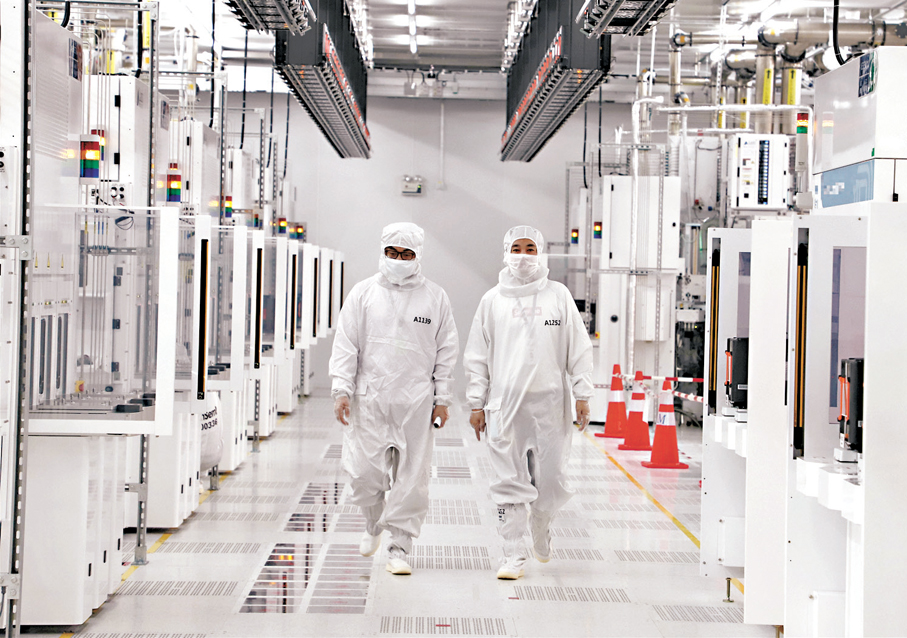
Automotive and Industrial Demand Recovers
The electrification and intelligence of vehicles continues to drive demand for power devices, microcontrollers, sensors and analog chips. Industrial automation, energy management and charging infrastructure also create steady consumption for mature-node silicon. After an extended destocking period, downstream customers are replenishing inventory again, and mature-node order volumes are rebounding noticeably. Several foundries report that utilization has climbed from low levels to a high range, with certain popular nodes running temporarily tight as production schedules accelerate.
Mature-Node Expansion Tilts Toward Mainland China
Robust demand is triggering a fresh round of mature-node expansion. Unlike advanced nodes, which are concentrated among a handful of leading players, mature-node fabs have a relatively accessible build threshold, and mainland China has become the key landing zone for this wave of expansion. Multiple Chinese foundries are launching new campuses and new lines to absorb automotive, industrial and specialty orders. Rising utilization combined with capacity expansion translates into concurrent demand for supporting process equipment, forming a positive loop from demand to investment.
At Full Load, Cleaning, Drying and Inspection Demand Rises in Step
When a line runs at high utilization, the bar for the stability of cleaning, drying and inspection tools rises accordingly. The higher the utilization, the longer equipment runs continuously, and the more critical reliability and serviceability become; any one supporting tool going down can slow the whole line. Hebei Zhongke Microelectronics Co., Ltd., based in Fuxing District, Handan City, Hebei Province, designs its fully automatic single-wafer cleaning machines, single-wafer cleaning & spin dryer SG-8-12-2D, EFEM cleaning & drying systems and wafer inspection lamps for exactly these high-utilization operating conditions, helping lines sustain stable yield and throughput even at full load.
Which Nodes Are Running Tight, and Why
The recovery in mature-node utilization is not uniform; it is concentrated in specific geometries that align with automotive and industrial content. Nodes around 28 nanometers and above are seeing the strongest demand, because power devices, microcontrollers, analog circuits and sensor interfaces are naturally well served by these process generations. Unlike consumer chips, which are updated on short cycles and subject to fashion-driven demand swings, automotive and industrial silicon has long product lifetimes and qualification processes that lock in suppliers for years. Once a part is designed into a vehicle platform or a factory controller, the associated wafer demand becomes remarkably predictable and persistent, which is exactly what fab operators value when they plan capacity.
The consequence is that the current high utilization has a structural character rather than being a brief restocking bounce. Automakers are adding more semiconductors per vehicle every model year, driven by electrification, advanced driver assistance and in-cabin electronics, while the industrial side is lifted by automation, energy transition infrastructure and the build-out of charging networks. These secular drivers do not disappear when the inventory cycle turns, which is why foundries are willing to commit to new mature-node capacity even as they watch consumer demand wobble. The ordering pattern has shifted from short, volatile cycles to longer, steadier commitments, and that changes how fabs plan their equipment procurement over a multi-year horizon.
For supporting equipment vendors, the implications are practical. High and stable utilization means tools are running nearly around the clock, so reliability becomes the single most important purchasing criterion. A cleaning or drying machine that drops offline for a day can idle an entire bay, and fab managers now weight mean time between failures and service response time heavily in their vendor scoring. This environment favors suppliers who can demonstrate consistent field performance and who understand the specific contamination sensitivities of power and analog processes. It also rewards local vendors, who can reach the fab faster and tune recipes on site, making mature-node fabs a natural proving ground for domestic supporting equipment.
From High Utilization to the Next Expansion Wave
The transition from tight utilization to new construction usually follows a predictable lag. Once fabs have run at high load for several consecutive quarters, the business case for adding new mature-node capacity becomes compelling, and procurement cycles for supporting equipment begin in earnest. This means the current recovery in utilization is likely to be the prelude to another mature-node expansion wave over the coming years. For supporting equipment vendors, the practical implication is to prepare for sustained, not fleeting, demand. Tools that emphasize uptime, easy maintenance and local service will win the most competitive tenders, because fab operators are optimizing for stable output rather than one-off cost. As automotive and industrial chip demand continues its structural climb, the mature-node segment offers some of the most predictable equipment demand in the entire semiconductor cycle.
Another factor supporting the mature-node recovery is the increasing localization of chip design demand. As domestic fabless companies expand their product lines for automotive and industrial applications, they prefer to source from foundries that offer short lead times and close engineering collaboration. This preference naturally benefits local foundries and, by extension, the domestic equipment ecosystem that supports them. The result is a virtuous circle in which domestic design, domestic manufacturing and domestic equipment procurement reinforce one another, making the mature-node upswing more resilient than an export-only recovery would be.
Looking forward, the mature-node recovery is expected to broaden further as more automotive and industrial projects move into production, reinforcing the case for continued fab utilization and supporting equipment demand through the forecast period.
This favorable environment rewards suppliers who prioritize uptime, local service and recipe support, and it underpins continued demand for mature-node supporting equipment through the coming years.
The combination of stable end-market demand and rising utilization gives domestic supporting equipment vendors a reliable multi-year order pipeline on which to plan with confidence.
To learn about configurations and parameters of cleaning, drying and inspection equipment for mature-node lines, please contact the industry hotline: 17177768881.