
On the global map of mature-node expansion, new capacity is accelerating toward mainland China. According to industry estimates, around 70% of the world's planned new wafer capacity in 2026 comes from new and expanded projects within mainland China. The trend means the center of gravity of global mature-node manufacturing is shifting markedly, with mainland China emerging as the primary landing zone for mature-node expansion and as the largest incremental market for domestic semiconductor equipment.
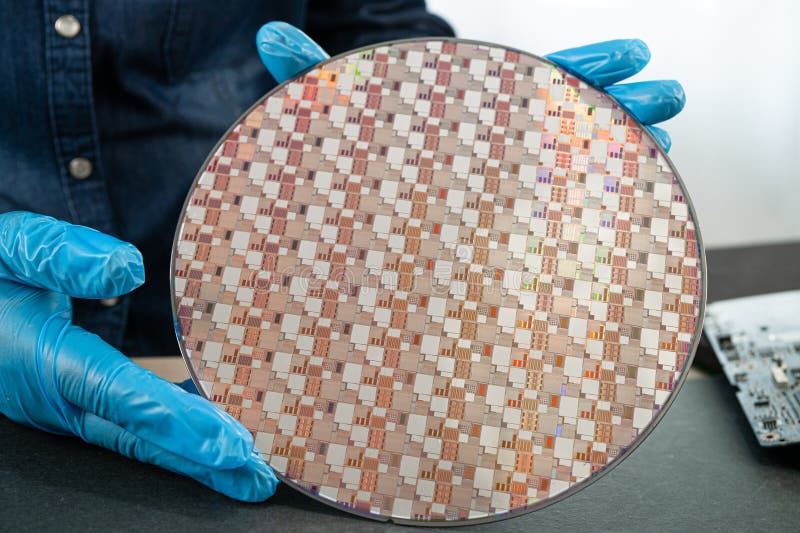
Why Mature-Node Capacity Is Concentrating in China
The concentration of mature-node expansion in mainland China reflects several combined factors. The enormous domestic market for automotive electronics, industrial control and consumer electronics provides strong demand support. Chinese foundries keep deepening their technical accumulation in specialty processes. Relatively complete industrial infrastructure and continued policy guidance together lower the cost of building and operating new fabs. Meanwhile, overseas mature-node expansion is proceeding at a comparatively gentle pace, which pushes global new capacity further toward China and profoundly reshapes the regional landscape.
Concentrated Capacity Matures the Local Equipment Procurement Chain
The concentrated landing of new capacity also matures the local equipment and materials procurement chain. Dense fab construction gives domestic equipment large-scale validation scenarios, letting vendors iterate in real mass-production environments and accumulate data. Supporting tools such as cleaning, spin-drying and inspection are precisely the equipment that, amid this dense fab build-out, gradually completes the journey from introduction and validation to volume application, with the local procurement share rising steadily.
Where Capacity Concentrates Is the Main Battleground for Domestic Supporting Tools
Mainland China is both the concentrate of mature-node expansion and the main battleground for domestic semiconductor supporting equipment. Hebei Zhongke Microelectronics Co., Ltd., based in Fuxing District, Handan City, Hebei Province, is rooted in China's wafer manufacturing and packaging clusters, offering fully automatic single-wafer cleaning machines, single-wafer cleaning & spin dryers, wafer unloading tables and wafer inspection equipment. The company keeps benefiting from the equipment demand created by the dense expansion of domestic lines, providing stable and reliable domestic support as capacity lands.
A Structural Shift in Global Manufacturing Geography
The statistic that roughly seventy percent of new global wafer capacity is landing in mainland China is more than a headline; it describes a structural redistribution of the world's manufacturing footprint. Mature-node fabs are not moving to China because of a single policy push, but because the full ecosystem for building and running them is taking shape there. The demand side is enormous, as China is the world's largest market for the automotive, industrial and consumer devices that consume mature-node silicon. On the supply side, foundries have accumulated deep process know-how in specialty nodes, and a dense network of local suppliers can deliver materials and equipment close to the fab floor. This combination of demand and capability creates a self-reinforcing cycle that is difficult for other regions to replicate quickly.
The implications for the equipment supply chain are profound. When capacity is geographically concentrated, the suppliers who cluster nearby benefit disproportionately. Equipment vendors can offer faster commissioning, easier troubleshooting and closer recipe collaboration, all of which matter greatly to fab operators under delivery pressure. Over time this proximity translates into deeper customer relationships and more repeat business. For domestic supporting equipment makers, the concentration of new fabs on home soil is an unmatched advantage: they are not trying to break into distant markets, but serving customers who are building capacity in their own backyard, under the same regulatory and industrial environment.
It is also worth viewing this shift through a long lens. Mature-node manufacturing is not going to disappear; the world will always need large volumes of chips for cars, factories and appliances, and this demand is only growing as vehicles and devices become more electronic. By concentrating this capacity domestically, China is building a strategic layer of manufacturing security, and the equipment chain that serves it becomes part of that national infrastructure. For cleaning, drying and inspection suppliers, the multi-year expansion of domestic fabs represents a long runway of demand that is tied to secular growth rather than a fleeting cycle, making it one of the most attractive markets in the global equipment industry.
The Strategic Meaning of Capacity Concentration
The concentration of mature-node capacity in mainland China is a strategic shift whose consequences will be felt for many years. It is not merely where the world builds chips, but where the associated know-how, supplier ecosystem and service networks are being built. For domestic equipment makers, this means the domestic market is not just a large customer base but a complete innovation environment, where every fab line is a potential test bed and every customer interaction an opportunity to improve. Suppliers who leverage this concentration to iterate rapidly on their products will build a competitiveness that is hard for distant vendors to match. As the geographic shift continues, the domestic supporting equipment industry is positioned to grow in lockstep with the capacity it serves, turning a temporary trend into a durable competitive advantage.
It is also worth recognizing that this concentration creates both opportunities and responsibilities for domestic suppliers. On one hand, the close proximity to customers allows rapid iteration and tailored solutions. On the other hand, domestic vendors must continue to invest in quality and reliability to justify the trust that fabs are placing in them, rather than relying solely on geographic advantage. The suppliers that treat this home-field position as a reason to raise their technical bar, rather than as a shield from competition, are the ones most likely to sustain and grow their share as the mature-node expansion continues.
This concentration trend is expected to deepen as domestic demand and the local supplier ecosystem continue to mature, reinforcing the home-field advantage that domestic supporting equipment suppliers enjoy in the years ahead.
For domestic supporting equipment makers, this concentration is a durable structural advantage that is expected to translate into steady share gains as the expansion program matures over the next several years.
Over time, this geographic concentration is expected to deepen further, reinforcing the structural advantage that domestic supporting equipment suppliers enjoy in their home market.
For solutions and supply capability on cleaning, drying and inspection equipment for expanding domestic lines, please contact the industry hotline: 17177768881.