
Automotive-grade power semiconductor expansion continues to heat up. Several power device makers have recently announced new and expanded IGBT and SiC lines, and strong demand from EV inverters, charging piles, and industrial inverters is driving continued investment in power semiconductors in China.
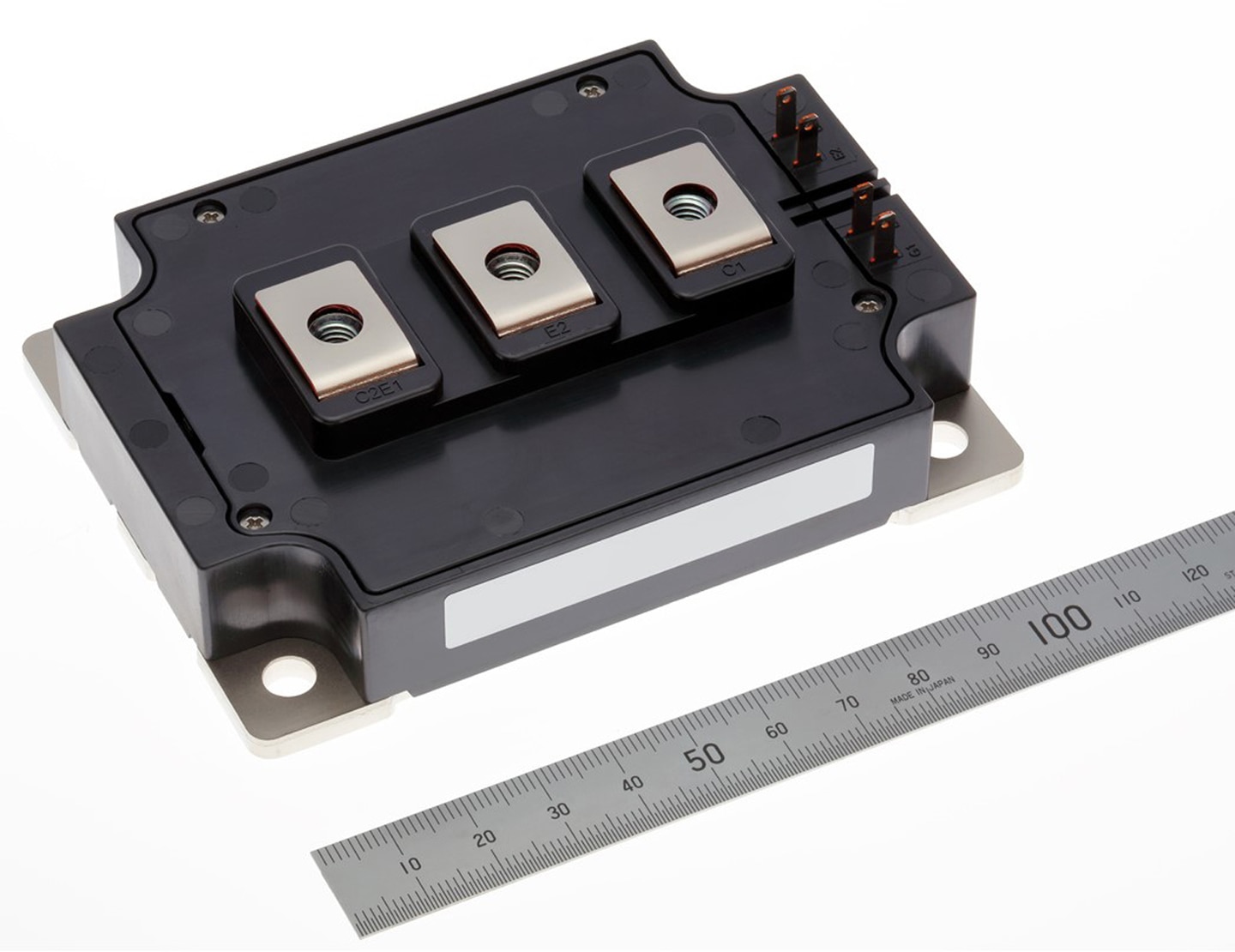
IGBT and SiC: The Two Automotive Mainlines
The insulated-gate bipolar transistor (IGBT) is the core device for EV main inverters, on-board chargers, and charging piles, while SiC MOSFETs are penetrating quickly in 800-volt high-voltage platforms thanks to higher efficiency. As Chinese EV sales and exports keep growing, demand for automotive-grade IGBT modules and SiC devices is viewed as durable, and domestic power device makers are increasing line investment, localizing wafer fabrication and module packaging. Some are also developing automotive-grade SiC diodes and hybrid modules.
Investment Aiming at Automotive Qualification
Automotive-grade power devices must meet far higher reliability requirements than industrial parts, passing AEC-Q101 and related standards and satisfying long-life temperature and cycling requirements. New lines are generally planned to automotive standards, emphasizing wafer consistency, module thermal capability, and long-term reliability. IGBT lines mostly use 8-inch wafers, while SiC lines transition from 6 to 8 inches, driving synchronized demand for wafer cleaning, spin drying, and inspection equipment.
Demand and Domestic Substitution
Driven by EVs and charging piles, China’s power semiconductor market keeps expanding. At the same time, overseas suppliers have long held the main share of automotive IGBTs and SiC modules, leaving wide room for domestic substitution. Domestic makers are speeding up on-car validation with OEMs and Tier-1 suppliers, achieving domestic breakthroughs in main inverters, OBC, and other core areas, which in turn drives localized investment across the whole line.
Deep Reliability Requirements
Automotive environments are harsh, with wide temperature swings, strong vibration, and service life requirements of fifteen years or more. Whether IGBT or SiC, devices must remain stable across high-temperature reverse bias, temperature cycling, and power cycling tests. Domestic power makers build automotive-grade lines and improve packaging and test capability to meet OEM quality systems. As domestic devices penetrate further into main inverters, OBC, and chargers, upstream wafer fabrication and back-end equipment demand grows in step.
IGBT Technology Generations
IGBTs have progressed through several trench-gate and field-stop generations, each lowering conduction and switching losses. Automotive-grade modules today use trench-shielded structures with optimized freewheeling diodes, packaged in transfer-molded or press-fit housings designed for high thermal cycling reliability. Chinese module makers have moved from importing dies to designing and fabricating their own trench IGBT processes on 8-inch lines, which is what allows them to compete on cost while meeting automotive qualification. The learning curve in die design, module packaging, and long-term reliability testing is steep, but domestic makers are now shipping into mass-market EV platforms.
SiC Versus IGBT Trade-offs
SiC MOSFETs offer lower switching loss and higher operating temperature than silicon IGBTs, which boosts inverter efficiency and range, but at a higher device cost. The economics favor SiC in high-voltage, high-frequency, and weight-sensitive applications such as 800-volt vehicle platforms and fast charging, while IGBTs remain cost-competitive in lower-voltage and cost-sensitive segments. Many new vehicle platforms therefore use a hybrid approach, with SiC in the main inverter and IGBTs in auxiliary converters. This segmentation means both IGBT and SiC lines are expanding simultaneously, giving device makers a diversified investment roadmap rather than a single-technology bet.
Outlook for Automotive Power Expansion
Looking ahead, automotive-grade power semiconductors will keep benefiting from EV and charging pile growth. IGBTs retain broad room in low- to mid-voltage industrial and onboard applications, while SiC penetrates high-voltage platforms. Line expansion raises the bar on wafer fabrication and packaging equipment, and automotive-grade products are extremely sensitive to particle contamination and visual defects. Domestic cleaning, spin drying, and inspection equipment makers that pass automotive line validation will share in this expansion, and those with proven automotive-grade experience will gain an edge as the wave of investment continues. Automotive fabs cannot afford random defects, because a single failed device can trigger a costly recall. That makes particle control and visual inspection during wafer back-end processing a production-grade requirement rather than a nice-to-have. Domestic equipment suppliers that can document low defect rates and stable uptime are therefore positioned to win recurring orders as these new IGBT and SiC lines ramp toward full utilization. The combined expansion of both technologies means the back-end equipment market grows regardless of whether a given platform chooses IGBT or SiC, giving domestic suppliers a diversified demand base rather than exposure to a single winning device. This diversification de-risks equipment suppliers and aligns them with the broad, multi-year growth of the automotive power market. As long as vehicle electrification continues, both IGBT and SiC lines will keep expanding, and the back-end equipment that supports them will see steady, predictable demand.
Where Power Devices Fit in an EV
In an electric vehicle, power semiconductors appear in the main traction inverter, the on-board charger, the DC-DC converter, and the charging inlet. The main inverter is the largest consumer, converting battery DC into the three-phase AC that drives the motor. IGBTs have long dominated this role, while SiC MOSFETs are gaining share in high-voltage, long-range vehicles for their efficiency gains. The same devices also appear in charging piles, where fast charging demands high-frequency, high-efficiency conversion. As EV penetration rises and charging infrastructure expands, the total demand for power devices grows across both technologies, which is why capacity is being added on both IGBT and SiC lines simultaneously rather than as a single-technology race.
Localized Back-End Equipment
Power device lines also depend on high-purity wafer handling. Hebei Zhongke Microelectronics Co., Ltd. offers a wafer unloading table, a fully automatic single-wafer cleaning machine, 6/8-inch wafer spin dryers, wafer inspection lamps (QG-150/QG-250), and vacuum tweezers (PT-02/PT-04). These provide automotive IGBT and SiC lines with wafer unloading, single-wafer cleaning, centrifugal spin drying, and visual defect inspection, helping control particle contamination and raise automotive-grade yield while reducing reliance on imported back-end equipment.
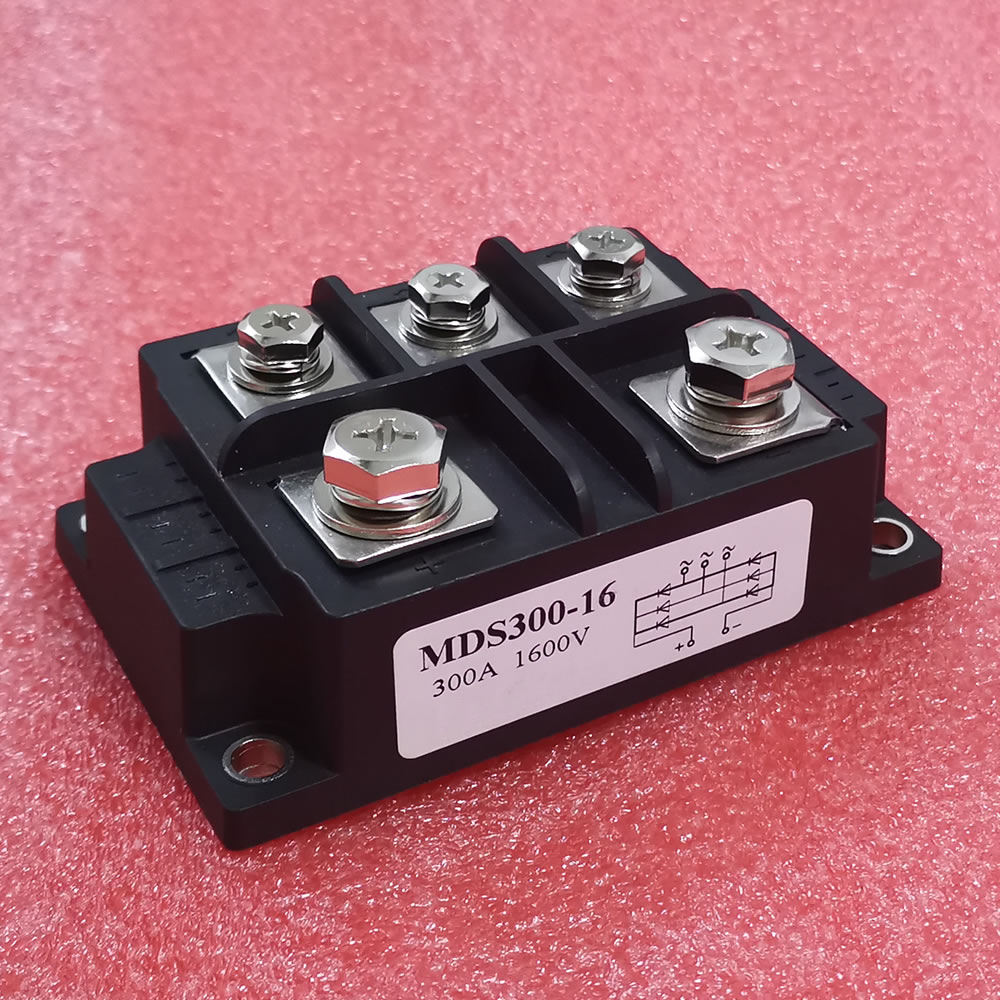
The automotive power expansion wave brings synchronized volume opportunities for domestic back-end equipment. For inquiries about wafer unloading tables, cleaning, spin drying, and inspection equipment, call the consultation hotline: 17177768881.