
SEMI's equipment investment outlook indicates that, driven by AI compute expansion and large-scale memory maker build-outs, global 300-millimeter memory manufacturing equipment investment is expected to break through the $50 billion mark for the first time in 2026 and reach a record high. The forecast underscores that memory is one of the most prosperous directions in this round of semiconductor equipment investment, with AI expansion driving the whole memory chain into a high-boom phase in which equipment, materials and supporting process steps all share the upside.
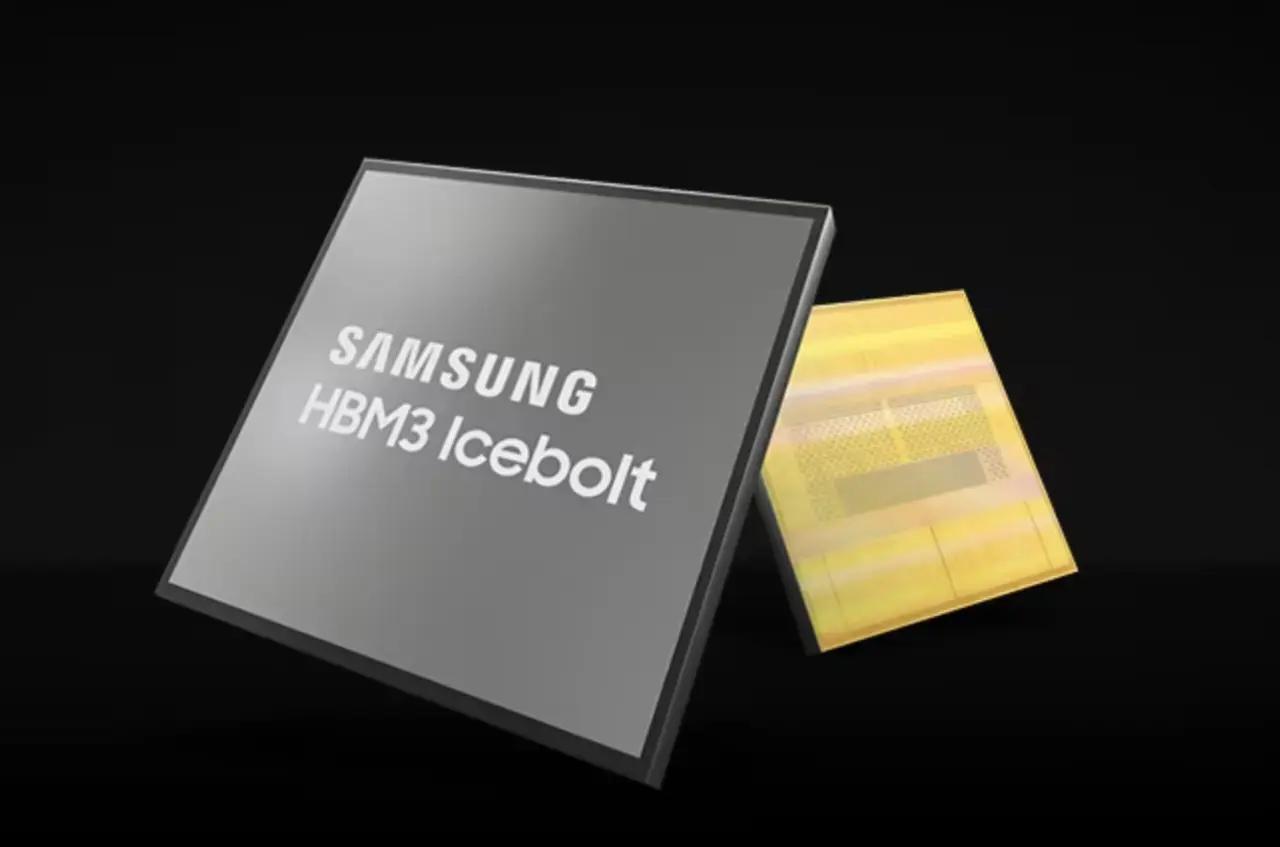
Memory Equipment Investment Hits a Record
Memory equipment investment has historically swung sharply with the memory price cycle, but this round is driven by structural demand from AI for HBM and high-capacity DRAM and NAND, making the expansion more durable and more certain. SEMI expects 300mm memory equipment investment to cross the $50 billion threshold for the first time, flowing mainly into advanced DRAM capacity, HBM-related stacking lines and high-capacity NAND fabs. The high equipment investment directly translates into strong demand for process tools and transmits upstream to materials and supporting steps.
Memory Expansion Raises the Bar for Supporting Steps
Memory chips are produced at huge volumes and fast takt times, imposing extreme requirements on the continuous-operation capability and stability of process equipment. In advanced products such as HBM, stacking and packaging are especially sensitive to particles and metallic contamination, raising the importance of cleaning and drying. Large-scale memory expansion means demand for supporting cleaning, spin-drying and inspection tools grows sharply in step, raising the bar for contamination control, batch consistency and service efficiency.
Domestic Supporting Tools Seize the High-Boom Cycle
The high-boom memory cycle creates valuable opportunities for domestic supporting equipment. As China's memory industry develops and domestic fab build-out accelerates, there is strong demand for stable, reliable domestic cleaning, spin-drying and inspection tools. Hebei Zhongke Microelectronics Co., Ltd., based in Fuxing District, Handan City, Hebei Province, supplies fully automatic single-wafer cleaning machines, single-wafer spin dryers, wafer unloading tables and wafer inspection lamps, helping memory and packaging operations raise the domestic content of supporting equipment and providing domestic tool support for capacity release during the high-boom cycle.
Inside the Record Memory Equipment Spend
The forecast that 300-millimeter memory equipment investment will break fifty billion dollars for the first time is a landmark number, and it is worth unpacking what it funds. Memory fabs are among the most capital-intensive facilities in the world, and the current spending surge is aimed at two priorities: advanced DRAM for HBM and high-capacity NAND for data storage. Because memory chips are produced at enormous volumes, the equipment bill of materials per gigabit of capacity is heavily weighted toward tools that run continuously at high throughput. Lithography and etch dominate the budget, but the supporting equipment layer is proportionally large as well, because a memory line must clean, dry and inspect wafers between a very large number of process steps.
What makes this cycle different from previous memory booms is the demand driver. Past memory upcycles were often triggered by short-lived demand spikes from consumer devices, and they tended to reverse quickly as oversupply built up. This time, the pull comes from AI infrastructure, which is a multi-year build-out with massive capital commitments from cloud and chip companies. HBM in particular is sold out years in advance, giving memory makers high confidence that the new capacity will be absorbed. This reduces the risk normally associated with large fab expansion and encourages them to commit to the equipment orders that underpin the investment record. The result is an unusually durable upcycle rather than a fleeting peak.
The supporting-equipment opportunity inside this boom is easy to overlook but important. Memory manufacturing's relentless drive to reduce cost per bit means every process step must be optimized for speed and yield, and cleaning and drying are no exception. As stacks grow thinner and densities rise, contamination tolerance shrinks, pushing fabs to upgrade their supporting tools to more precise, more automated platforms. Domestic suppliers that can offer reliable single-wafer cleaning, effective spin drying and integrated inspection have a clear opening, especially as Chinese memory makers expand their own capacity and seek dependable local partners. The record memory equipment budget, in short, is not just a story about the headline tools; it is a rising tide that lifts the entire supporting equipment layer along with them.
Reading the Memory Cycle Correctly
The record memory equipment budget should be read as a signal of a more durable upcycle, not as a sign of speculative overexpansion. Because the demand driver is AI, a multi-year structural trend rather than a temporary inventory spike, the risk of sudden oversupply is lower than in previous memory booms. This gives memory makers confidence that their new capacity will be absorbed, and gives equipment suppliers a clearer multi-year demand outlook. For domestic supporting equipment vendors, the correct response is to prepare proactively rather than reactively: ensure product capacity, service readiness and technical capability ahead of the order wave. As memory investment stays at historic highs over the next several years, suppliers positioned to support high-volume, high-contamination-sensitivity lines will capture a disproportionate share of the growth.
The record memory equipment budget also reflects a shift in how memory makers think about risk. In past cycles, they hesitated to build ahead of demand for fear of price collapses, but the multi-year visibility of AI orders has changed that calculus. They are now willing to commit to multi-year capacity plans, which gives equipment suppliers a long and predictable order horizon. This stability is particularly valuable for supporting equipment makers, who can plan factory expansions and service networks around a known pipeline rather than guessing at quarterly demand. The memory upcycle, in short, is bringing a welcome degree of planning discipline to the whole supply chain.
With memory investment at historic highs and AI demand providing multi-year visibility, the associated demand for high-volume cleaning and inspection equipment is expected to remain strong well beyond the current forecast period.
For solutions and technical parameters on cleaning and drying inspection equipment for memory lines, please contact the industry hotline: 17177768881.